
The allure of gambling: Understanding the psychological triggers
The world of casino gaming is not just about chance; it taps into complex psychological triggers that influence player behavior. One of the primary attractions is the thrill of potential rewards, which often activates the brain’s reward system, releasing dopamine and creating a feeling of pleasure. This chemical reaction reinforces the desire to engage in gambling, leading players to seek out best gambling apps for their exhilarating experience repeatedly.
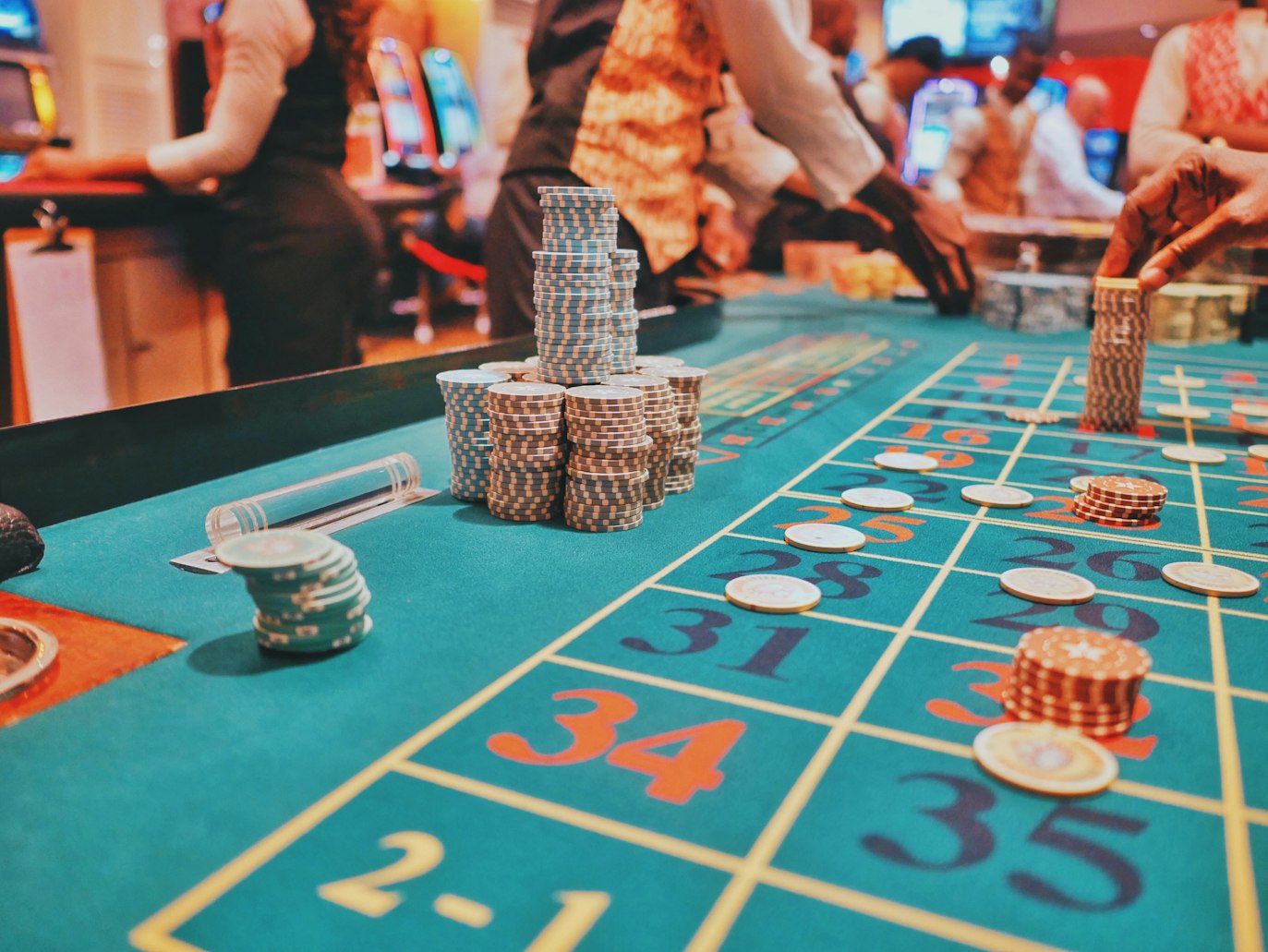
Moreover, the concept of variable reinforcement plays a significant role in gambling. Unlike fixed rewards, casinos employ a system where wins occur unpredictably. This unpredictability keeps players engaged, as they remain hopeful that the next spin or hand could yield significant rewards. Understanding these psychological drivers can help both players and operators create a more profound gaming experience.
Risk-taking behavior and cognitive biases
Casino gaming also highlights various cognitive biases that can alter decision-making processes. For instance, the illusion of control is a common phenomenon where players believe they can influence the outcome of games, especially in games of chance like slots or roulette. This belief can lead players to take greater risks, as they think their actions may sway the results.
Another cognitive bias prevalent in gambling is the gambler’s fallacy, where players believe that past outcomes will influence future events. For example, if a player experiences a losing streak, they may mistakenly think that a win is “due.” These biases can lead to irrational choices, often resulting in increased gambling without a true understanding of the underlying odds.
The role of emotion and mood in gambling habits
Emotions play a significant role when it comes to gambling strategies. Many players use gambling as an emotional outlet, whether to elevate their mood or alleviate stress. This emotional connection can lead to a cycle where individuals gamble to escape negative feelings, only to experience regret and further emotional distress after losses, prompting them to gamble again in search of relief.
The relationship between mood and gambling behavior is multifaceted, often driven by the need for excitement or a rush of adrenaline. Understanding how emotional states influence gambling choices can aid individuals in developing healthier gaming habits, promoting responsible gambling practices.
Social factors impacting gambling strategies
Social dynamics also significantly shape gambling strategies among players. Many individuals experience a sense of community when engaging in casino gaming, which can amplify their desire to participate. This social aspect can lead to cooperative behavior, where players share strategies or tips, creating an environment where collective learning takes place.
Furthermore, the normalization of gambling in various cultures can influence how individuals approach games. When gambling is viewed as a common and acceptable form of entertainment, it may lower the perceived risks associated with playing. Understanding these social factors can help individuals navigate their own motivations and strategies effectively.

Enhancing your gaming experience through informed choices
For those looking to immerse themselves in casino gaming, understanding the psychological underpinnings of gaming strategies is essential. Our platform offers insights into various aspects of gambling, from the mechanics of the games to the influences of emotion and social interaction. By educating yourself on these factors, you can make informed decisions that enhance your gaming experience.
Whether you’re a novice or a seasoned player, knowledge is a powerful tool in today’s increasingly complex gaming landscape. Join us to explore in-depth analyses and strategies that can elevate your journey in the captivating world of casino gaming.